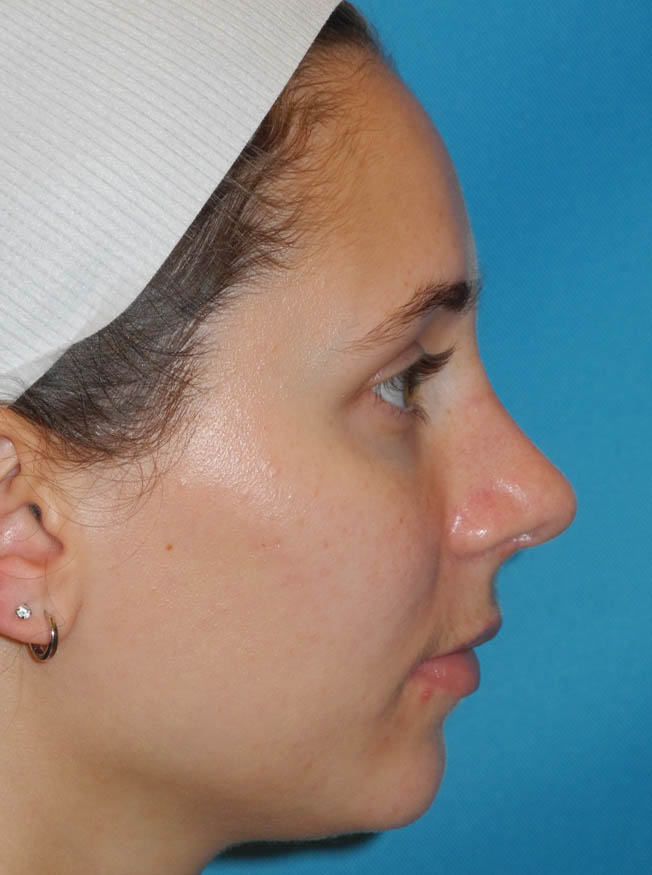
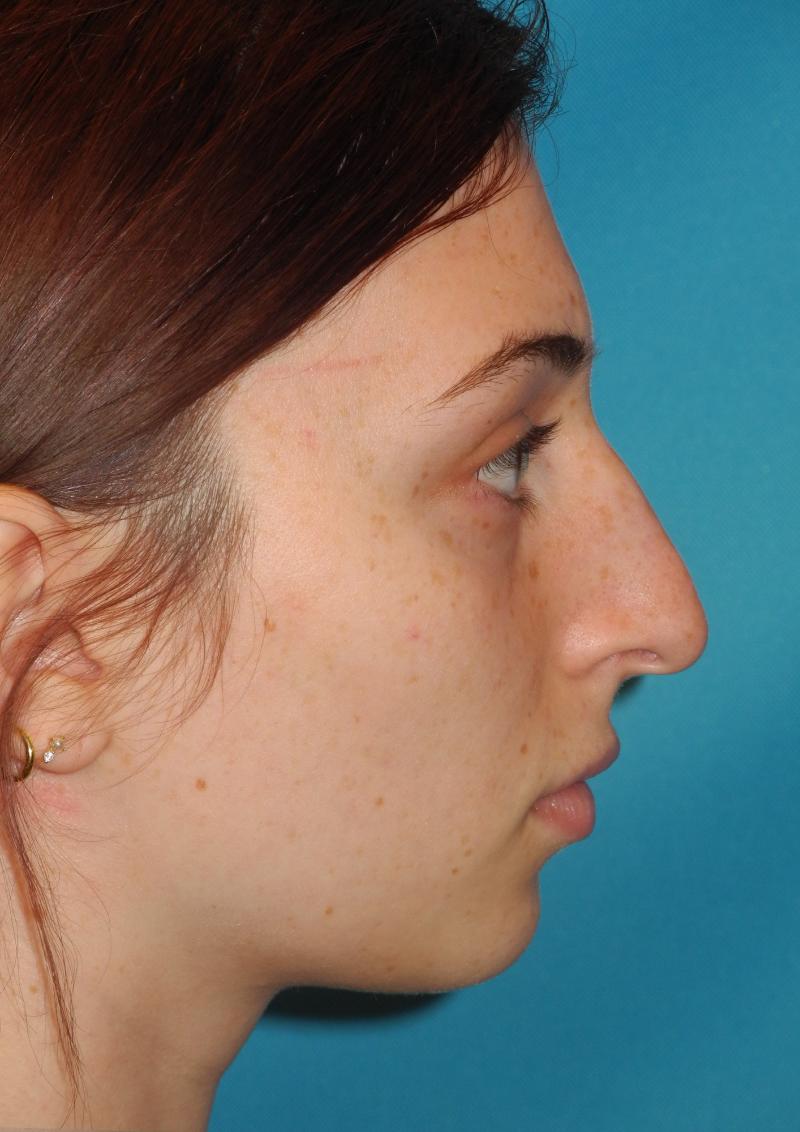
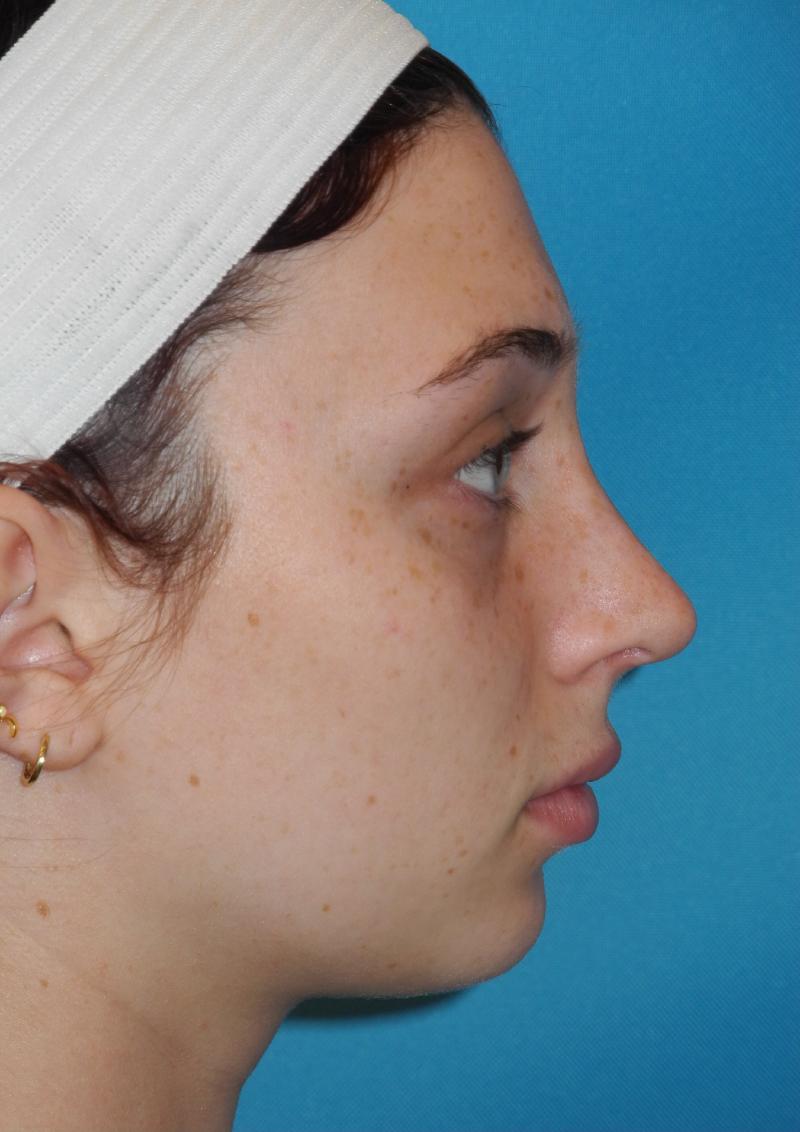
Rhinoplasty

Philadelphia, PA


According to the American Society of Plastic Surgeons, rhinoplasty was one of the top five cosmetic surgeries in the U.S. in 2020. Rhinoplasty reshapes the nose and often improves its function, allowing patients to breathe more easily through their nose.

The procedure may be performed to improve the nose’s appearance, improve breathing, or both. A facial plastic surgeon achieves this by manipulating the nose’s bone, cartilage, or skin.

As a rhinoplasty specialist, Dr. Timothy Greco’s goal is to achieve a result that aesthetically complements the characteristics of your face without an over–operated look. Dr. Greco utilizes advanced techniques in rhinoplasty to deliver optimal, natural-looking results for both cosmetic and functional concerns. 

Our office is in Bala Cynwyd, conveniently located to serve patients in the Main Line, including Villanova, Bryn Mawr, and Wayne, PA, with rhinoplasty to improve their nasal appearance and function permanently. Dr. Greco is a board-certified facial plastic surgeon widely recognized as the best in Philadelphia, known for his expertise, credentials, and outstanding reputation.

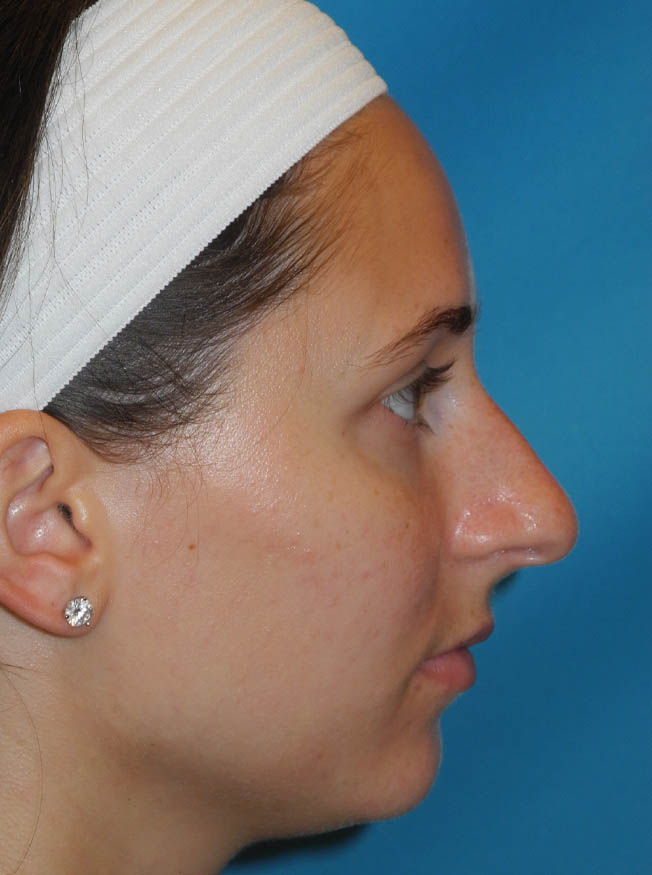
Introduction to Rhinoplasty

Facial plastic surgery is a highly specialized branch of plastic surgery dedicated to enhancing both the appearance and function of the face. This field encompasses a range of procedures designed to enhance facial features, restore facial harmony, and address specific medical concerns, such as a deviated septum or a broken nose. Rhinoplasty, also known as nasal surgery, is one of the most sought-after procedures in facial plastic surgery. By reshaping the nose, a skilled facial plastic surgeon can help patients achieve a more balanced, aesthetically pleasing facial profile while addressing functional issues that may affect breathing, such as thick nasal skin or misshapen nasal cartilage. Whether the goal is cosmetic enhancement or improved nasal function, facial plastic surgery offers tailored solutions to help patients look and feel their best.

woman with voluminous wavy hair, their faces close together in a mirrored pose, highlighting their defined lips and facial features - Rhinoplasty in Bala Cynwyd, PA

Greco

Nasal Structure Considerations for Rhinoplasty

Nasal aesthetic surgery is a procedure where form and function are equally important. Rhinoplasty procedures are often combined with a septoplasty procedure.

The septum is the nasal partition that divides the nose into the left and right sides. A septoplasty corrects structural problems, such as a deviated septum, that make it harder to breathe normally through the nose. In such cases, surgery restores function by eliminating the obstructed airway and improving airflow and breathing.

Aesthetically speaking, there is no ideal nasal shape. What may look ideal for one person may appear out of place for another. This is because various factors, such as age, ethnic background, and overall facial shape, influence the “ideal nose shape” for a face. A nose surgery procedure should be customized to the patient’s nose, respecting their unique ethnic and ancestral features to achieve the best results.

Extreme variations, such as a saddle nose or a pinched tip, can create conspicuous distortion to a person’s appearance that rhinoplasty can address. In general, however, nasal aesthetic characteristics that complement facial harmony include:

  • Properly aligned bridge of the nose (nasal dorsum)
  • Appropriate nasal tip projection, size, and shape
  • Aesthetically pleasing. The width of the nose should balance with the rest of the face

A rhinoplasty can correct any of these elements that are not in harmony with the remainder of the face.

Types of Rhinoplasty

Rhinoplasty procedures are not one-size-fits-all; there are several types designed to address specific concerns and goals. Functional rhinoplasty focuses on correcting structural problems inside the nose, such as a deviated septum or nasal valve collapse, to improve breathing and overall nasal function. Ethnic rhinoplasty is customized to enhance the nose while respecting and preserving the unique characteristics of different ethnic backgrounds, ensuring results that are both natural and harmonious with the patient’s facial features. For those seeking subtle changes without surgery, liquid rhinoplasty uses dermal fillers to temporarily refine the nose’s shape, offering a non-surgical alternative with minimal downtime. Aesthetic nasal surgery, on the other hand, is primarily concerned with the cosmetic appearance of the nose, reshaping it to better complement the rest of the face. Understanding the different rhinoplasty procedures available allows patients to choose the approach that best fits their individual needs and desired outcomes.

Types

Good Candidates for Rhinoplasty

Rhinoplasty is not recommended for people who have not fully matured physically. This is to ensure that growth is complete and the nasal structure has fully formed. 

For aesthetic corrections, it is best to wait until age 15 for women and 16 for men before undergoing rhinoplasty. However, if there are significant functional problems with the nose, rhinoplasty may be recommended at an earlier age.

You may be a good candidate for rhinoplasty if: 

  • Your facial growth is complete.
  • You have nasal asymmetry.
  • You are physically and mentally healthy.
  • You have a positive outlook and realistic goals for improving your appearance.

Candidates

imaging- what

Greco

Choosing a Qualified Rhinoplasty Surgeon in Philadelphia

Selecting the right rhinoplasty surgeon in Philadelphia is essential for achieving the best possible results. Patients should prioritize finding a facial plastic surgeon who is board-certified in facial plastic surgery, as this certification indicates advanced training and expertise in rhinoplasty. A certified facial plastic surgeon brings a keen aesthetic eye and a deep understanding of how the nasal bridge, nasal tip, and overall nasal structure interact with other facial features. Experience with both open and closed rhinoplasty techniques is important, as it allows the surgeon to tailor the approach to each patient’s unique needs. Reviewing before-and-after photos, reading patient testimonials, and even speaking with former patients can provide valuable insight into a surgeon’s skill, patient care, and ability to deliver natural-looking results. By choosing a qualified rhinoplasty surgeon, patients can feel confident in their journey toward improved facial harmony.

Cost for Rhinoplasty

Rhinoplasty costs depend on the complexity of the surgery required. Rhinoplasty cost typically includes the surgeon’s fee, anesthesia, facility charges, and any necessary medical tests or prescription medications. Costs can include:

  • Fees for anesthesia and CRNA
  • Cost of hospital or surgical facility
  • Cost for any needed medical tests
  • Prescription medication
  • Surgeon’s fee

On average, you can expect to pay between $10,000 and $13,400; however, since every case is unique, we provide a general range. The cost of primary rhinoplasties may differ from that of revision procedures, and rhinoplasty costs can vary depending on whether it is a primary or secondary surgery. The complexity of the case and Dr. Greco’s approach determine the exact cost, which will be given in the consultation.

Cost

Insurance Coverage for Rhinoplasty

We do not accept insurance and are out-of-network, but we can provide any necessary information to help you file a claim directly with your insurance provider. Your insurance may partially cover the cost of a functional rhinoplasty because the procedure helps improve breathing by correcting an obstructed airway or a deviated septum.  In such cases, a portion of the cost is typically covered by insurance, even if aesthetic changes are part of the procedure. However, it is best to confirm the details with your insurance provider. 

When you submit your claim to your insurer, you will likely be required to provide detailed reports on the type of functional problem causing the breathing impairment.

Insurance

Preparing for Rhinoplasty

Proper preparation is key to a successful rhinoplasty surgery. The process begins with an in-depth consultation with a facial plastic surgeon, where patients can discuss their goals, learn about the rhinoplasty procedure, and determine the best surgical plan for their nasal surgery. It’s important to provide a complete medical history, including any previous surgeries, current medications, and underlying health conditions, to ensure safety throughout the surgical procedure. The surgeon will also review the rhinoplasty surgery cost, outline the expected recovery timeline, and explain what to anticipate before, during, and after surgery. Patients may be asked to undergo certain medical tests or make temporary changes to their medication regimen to minimize risks associated with general anesthesia. By following the surgeon’s pre-operative instructions and preparing thoroughly, patients can help ensure a smooth rhinoplasty experience and optimal results.

Preparing

Rhinoplasty Consultation

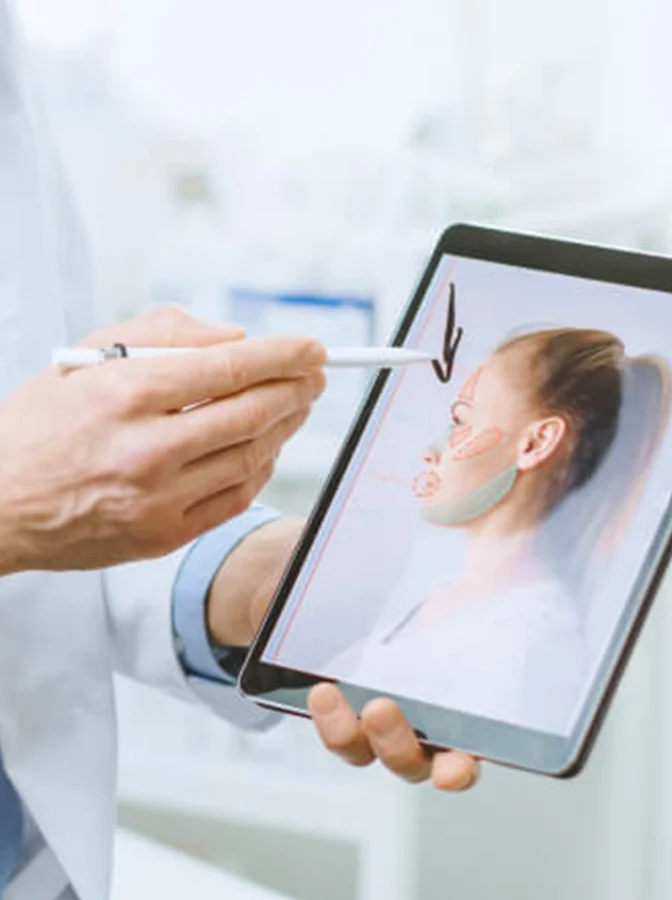
Planning for rhinoplasty surgery is an important step before scheduling the procedure. During your consultation with Dr. Greco, clearly communicate your concerns and expectations so your procedure can go as smoothly as possible. Digital imaging of your nose ensures you and Dr. Greco are on the same page regarding your aesthetic outcome.

Your consultation is the ideal time to review your medical history and perform a functional and aesthetic analysis of your nose. Your consultation will also include a nasal endoscopy to assess the internal structure of your nose. Once finished, we will provide you with proper instructions on how to best prepare for your procedure at the surgery center.

Consultation

Rhinoplasty Procedure – What to Expect

Rhinoplasty

Expectations

Anesthesia

Rhinoplasty is usually performed under MAC (twilight) anesthesia, supplemented with local anesthesia, and is considered the safest option. Other medications may also be administered to ensure your comfort during the procedure.

Incision

Dr. Greco may perform open or closed rhinoplasty surgery depending on the patient’s needs.

  • The open rhinoplasty technique involves making an incision on the underside of the nose, between the nostrils, typically in a small inverted V. This approach allows the surgeon to lift the nasal skin, providing improved visibility of the underlying bone and cartilage structures for more precise reshaping. This technique is usually employed when more complicated surgical maneuvers may be needed. It is ideal in cases that require significant tip alterations, repair of severe asymmetry, or revision rhinoplasty.
  • A closed rhinoplasty procedure is used when corrections can be made internally through the nostrils. It does not involve any external skin incisions and is best suited for cases that need less complicated modifications. Endonasal rhinoplasty is a scarless surgical technique in which incisions are made inside the nose, avoiding external scars.

Reshaping the Nasal Structure

Nasal reshaping is performed by modifying the underlying structure of the nasal bone and cartilage. If the nose is very large, the surgeon might reduce its size by removing bone or cartilage. Certain features, such as a nasal hump, typically require surgical intervention for removal or correction, as non-surgical rhinoplasty cannot eliminate a hump and is better suited for minor contour adjustments.

On the other hand, if nasal augmentation is required, the surgeon might need to use additional cartilage to strengthen the nasal structure. A cartilage graft from the patient’s ear or rib may be needed in such cases. On occasion, cartilage from a tissue bank is used to provide for added structure.

Functional concerns, such as a deviated septum, are also addressed at this time to improve breathing.

Closing the Incision

Once the nose’s underlying structure is sculpted to the desired shape, nasal skin and tissue are redraped over it, and the incision is closed.

procedure-recovery

Greco

Review the Results

Internal and external nasal splints may be necessary to aid healing for up to 1 week during your rhinoplasty recovery. There may be some swelling and bruising around the surgery site during your initial healing process for about one week.

Most patients can see a noticeable change within 2 weeks after the procedure. However, the nose can take up to one year to fully heal and for the newly refined nose to be apparent.

Patient Reviews

  • First of all, I want to say that Tim Greco and his staff are Fabulous. I had had several consultations for my daughter who had functional and cosmetic issues with her nose. She had recurrent sinus infections and a large Italian nose with the hook on the endMany doctors passed us up because they wouldn’t even consider doing surgery on a 15-year-old But this was a matter of health and Tim Greco took us on. He listened to Tessa ‘s and concerns about her nose both the functionality of her breathing and the cosmetic result that she wanted to achieve and Because he is double board-certified ENT and plastics, he did a thorough examination of the internal structure of her nose. Dr. Greco was able to use his computer technology to give us a realistic before and after of what could be achieved for my daughter to give her the results that she desired. Dr Greco also used the latest innovative techniques in facial plastic surgery to do a dorsum sparing procedure that was able to lower the bridge of her nose without risking a collapse of the bridge of her nose in the future as she ages. I am above and beyond impressed with his skill, he is probably without a doubt the best facial plastic surgeon on the East Coast bar none. My daughter who is now 15 1/2 has more confidence and says she doesn’t even think about her nose anymore, Whereas before it just took over her face and Was a distraction from her other lovely featuresWe are very grateful for Dr. Greco his nurse Brenna, and everyone that works in the office, including Danielle and Jordan!

    – Samanta Cianci

Woman lying back with closed eyes, sunlight casting soft shadows across her face, exuding a serene, relaxed atmosphere - Eyelid Surgery in Bala Cynwyd, PA

Greco

Risks of Rhinoplasty

Rhinoplasty is one of the most complicated facial surgery procedures. There are risks associated with rhinoplasty, as there are with any other surgical procedure. Risks for rhinoplasty may include:

  • Anesthesia risks
  • Bleeding
  • Infection
  • Poor wound healing and scarring
  • Change in skin sensation (numbness or pain)
  • Visible irregularities
  • Asymmetric nostrils
  • Nasal septal perforation
  • Decreased sense of smell
  • Difficulty breathing through the nose
  • Skin discoloration and swelling
  • A possible need for revision rhinoplasty surgery

Rhinoplasty FAQs

Here are the most frequently asked questions from patients considering rhinoplasty.


consultation-background

Schedule a Consultation

Contact us today to schedule a consultation with Philadelphia’s leading facial plastic surgeon. Call (610) 465-1493 or check the doctor’s schedule online.

Contact Us

Greco

Contact Us Photo Gallery
Call Book Email Results